Circular-economy investment · Côte d’Ivoire
Ivovert builds the first industrial tyre-recycling network in Côte d’Ivoire — a decentralized system of collection-and-crumbing plants feeding a central manufacturing hub, converting discarded tyres into high-demand rubber products, clean commodities and recovered steel.
Confidential materials. NDA-gated. A 6-digit access code is emailed after you register.
Côte d’Ivoire generates hundreds of thousands of tonnes of end-of-life tyres every year, growing 8–12% annually. Today they are burned in the open or dumped — poisoning the air around Abidjan and San Pédro, polluting the Ebrié Lagoon, and creating stagnant-water breeding grounds for malaria and dengue mosquitoes.
Peer-reviewed 2025 research (Narra et al., Frontiers in Sustainability) estimates Côte d’Ivoire generates roughly 350,000 tonnes of end-of-life tyres a year — confirming the feedstock is abundant. The real challenge is collection logistics, which is exactly what our decentralized network solves.
There is not a single industrial tyre recycler in the country. The entire waste stream is unmanaged.
Open tyre burning drives respiratory illness; tyre piles hold standing water that breeds disease vectors.
The Environmental Code mandates waste-tyre management, with municipal enforcement arriving in 2027.
Whole tyres are ~85% air by volume — costly to haul. So Ivovert places compact crumbing plants close to where tyres are discarded, and ships only dense, high-value crumb rubber to one central manufacturing hub. Each tyre is separated into rubber, steel and fibre — and Ivovert sells all three. Revenue is deliberately diversified so no single market swing can break the model.
This 50 / 30 / 20 mix is our core de-risking strategy: half of revenue is priced by contract, not by the commodity market.
Hub-and-Spoke architecture
Rather than one central plant hauling bulky whole tyres across the country, Ivovert runs four right-sized “Spoke” crumbing plants distributed across Greater Abidjan, each feeding a single central “Hub” that concentrates the value-added molding capital.
4×
Spoke crumbing plants
Compact lines sited near collection zones. They shred and crumb tyres at source into dense rubber granules, liberated steel and fibre.
1×
Central manufacturing Hub
One facility concentrating the specialised molding equipment, turning crumb into finished products for contracted B2B buyers.
Shipping dense crumb instead of bulky whole tyres carries ~3.75× more processable mass per trip, cutting inbound freight movements by up to ~75%. [FOR ILLUSTRATIVE PURPOSES ONLY]
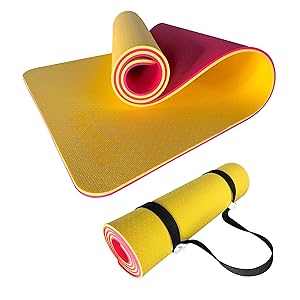
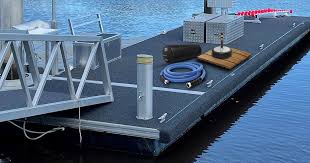
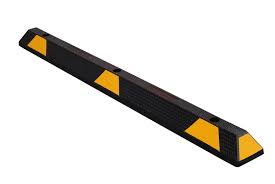
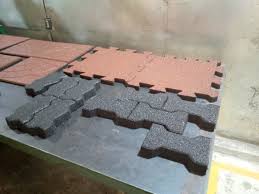
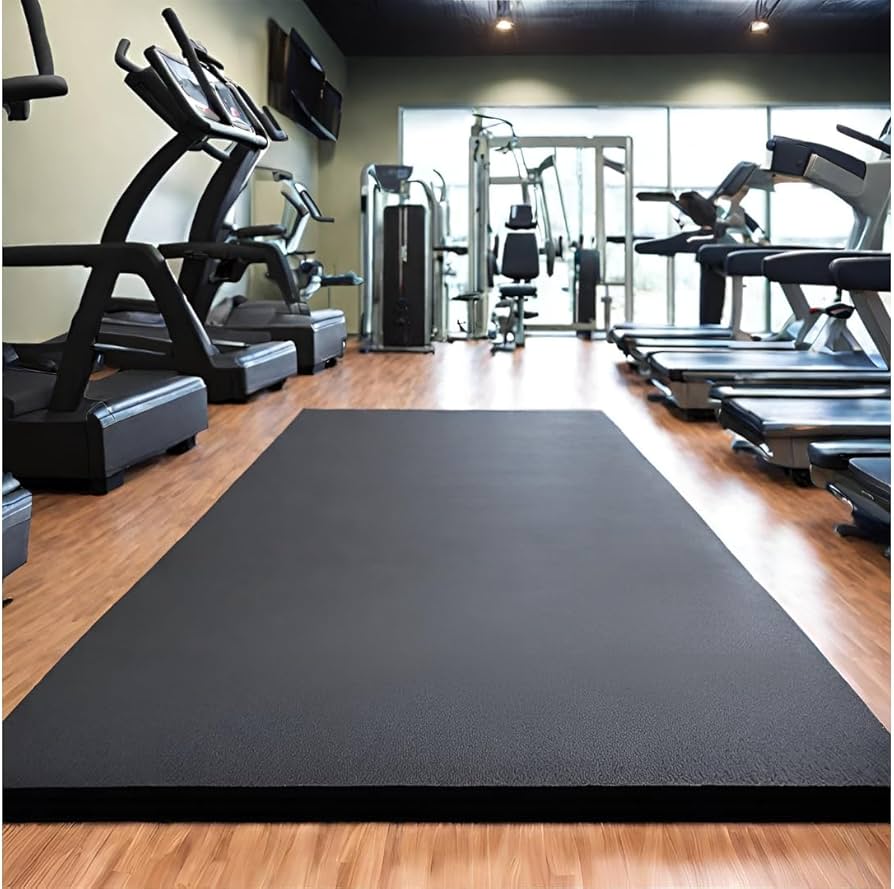
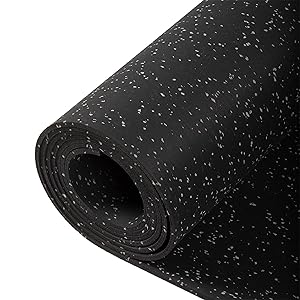
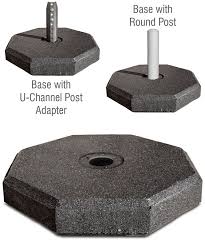
From rubber flooring and sports surfaces to marine fenders, road-surfacing modifier and landscaping pavers — every item is a proven application of recycled-tyre rubber, sold to construction, sport, marine and municipal buyers.
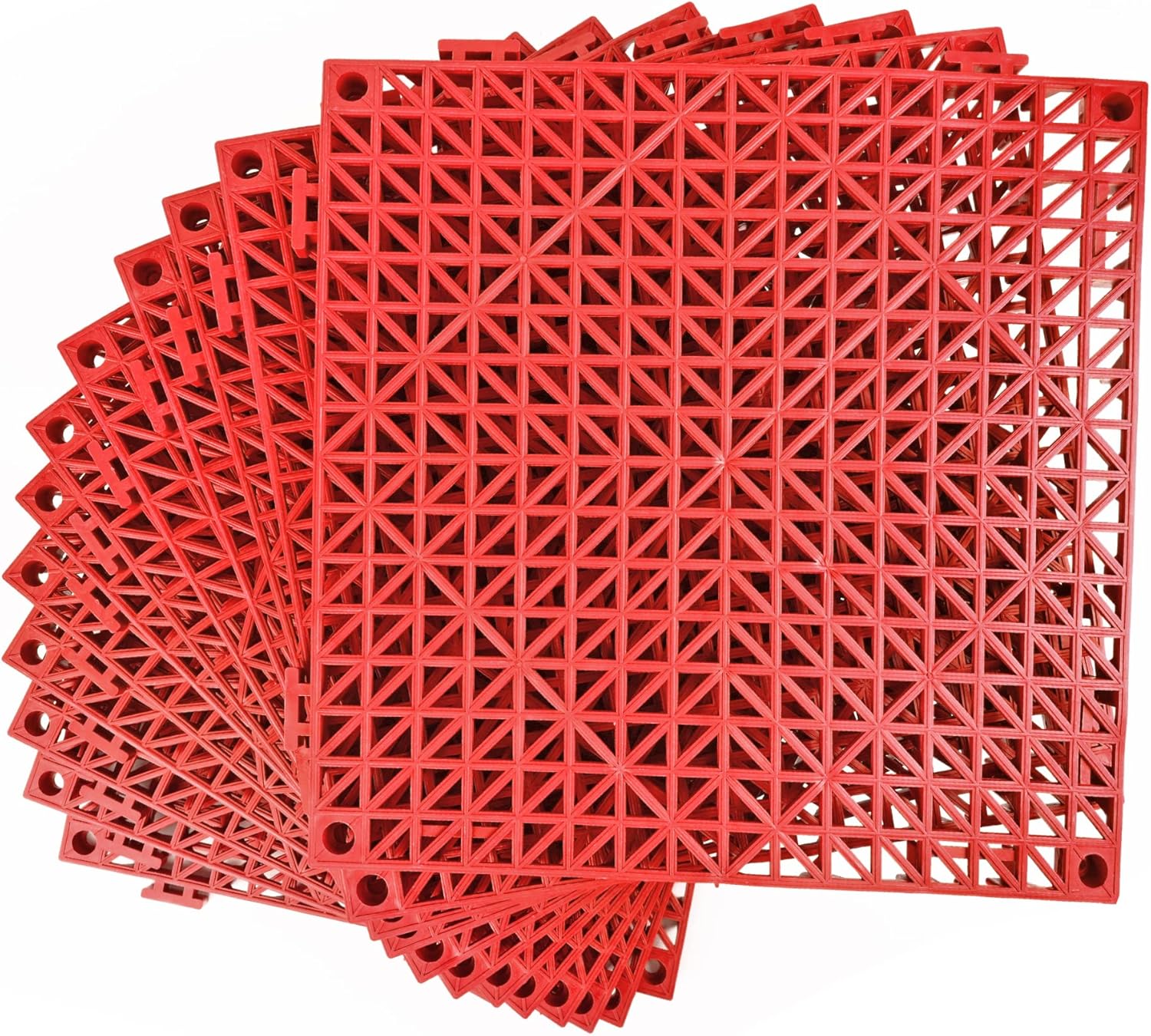
…and more, unlocked inside the investor portal.
This is not impact at the expense of profit — it is impact that compounds it. First-mover position, regulatory tailwinds and contracted offtake, alongside measurable ESG outcomes.
Public-health co-benefit: clearing scrap-tyre stockpiles removes mosquito breeding sites in a malaria- and dengue-endemic region.
The raise is structured as Revenue-Based Financing — no debt, no equity dilution. Investors receive a monthly profit-share until an agreed return multiple is reached, then the relationship transitions to advisory.
Unlock the full financial modelAttractive IRR
Target double-digit annual return
Capital multiple
Your capital returned several times over
Growing revenue
Diversified, resilient top line
Exact IRR, return multiple and the full projections are shared under NDA inside the investor portal.
Register with your email, accept the confidentiality terms, and we’ll email you a secure 6-digit access code. The full model, projections, ESG data and product catalogue are inside.
Request Investor AccessTakes under a minute · Your access is logged for confidentiality.